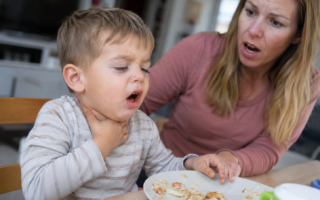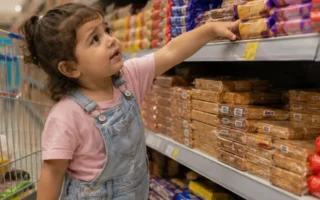
Healthy eating for kids: how can you reduce ultra-processed foods day to day? This is a question many parents ask when they want to nourish their children well without turning mealtimes into a source of stress, guilt, or constant battles.
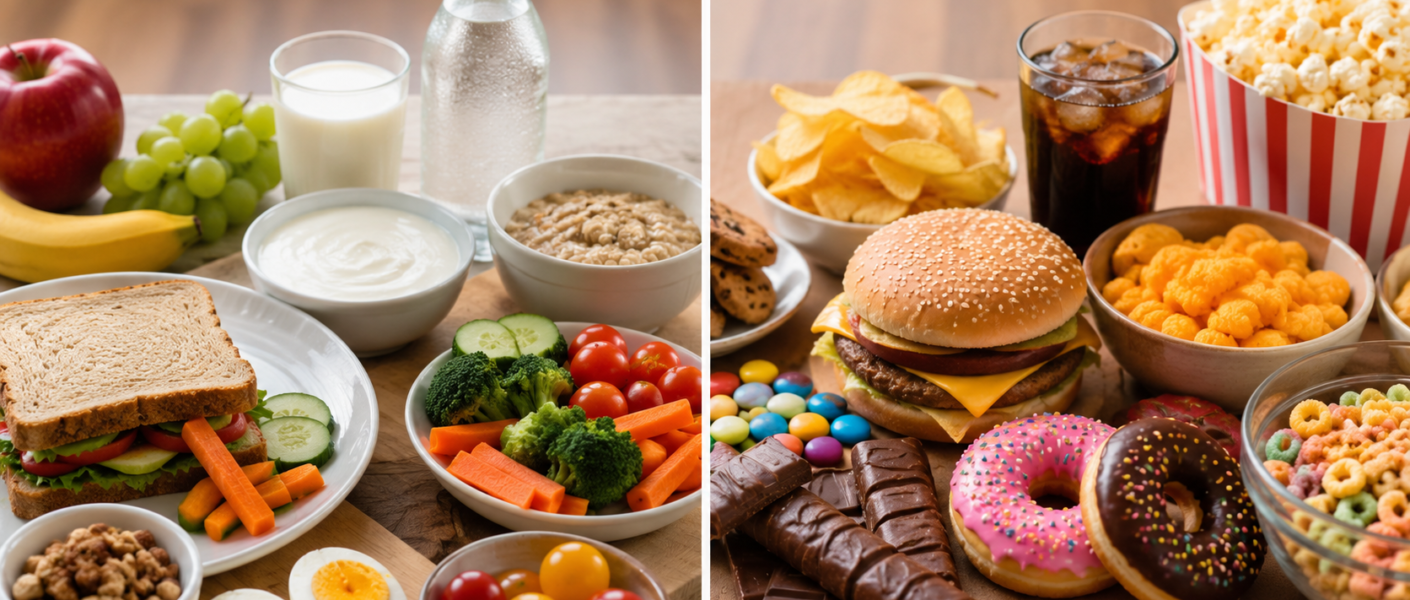
Ultra-processed foods are everywhere: packaged cookies, sugary cereals, chips, soda, fruit-flavored drinks, frozen meals, processed meats, candy, and many “kid-friendly” snacks with bright packaging. The goal is not perfection. The goal is to build a daily routine where real, nourishing foods become easier, more familiar, and more natural for your child.
What Are Ultra-Processed Foods?
Ultra-processed foods are industrial products made with ingredients you usually would not use in a home kitchen, such as modified starches, hydrogenated oils, artificial flavors, colorings, emulsifiers, and flavor enhancers.
They often contain high amounts of added sugar, sodium, refined carbohydrates, unhealthy fats, and very little fiber. Many are designed to be convenient, tasty, inexpensive, and easy to overeat.
The NOVA food classification system, often used in public health research, helps separate foods by how much they have been processed. For example, plain oats, rice, beans, eggs, fruits, vegetables, milk, and fresh meats are considered minimally processed foods. A packaged snack with a long list of additives is usually considered ultra-processed.
Why Are Ultra-Processed Foods a Concern During Childhood?
Childhood is a key stage for growth, brain development, immune function, gut health, and long-term eating habits. That is why nutrition is not just about calories. It also affects satiety, digestion, energy levels, metabolism, and food preferences.
A diet high in ultra-processed foods is often lower in fiber, vitamins, minerals, and high-quality protein. At the same time, it may be higher in added sugars, sodium, and unhealthy fats.
This does not mean one cookie, one party snack, or one fast-food meal will harm your child’s health. What matters most is the overall pattern repeated day after day.
How Do Ultra-Processed Foods Affect a Child’s Taste Preferences?
A child’s palate is shaped over time. When kids frequently eat foods that are very sweet, salty, soft, or strongly flavored, simple foods like vegetables, beans, fruit, eggs, or homemade meals may seem less exciting.
Many ultra-processed foods are also designed to be easy to chew, quick to eat, and highly rewarding to the brain. This can make it harder for children to recognize fullness and enjoy more natural flavors.
The good news is that taste preferences can change. With repeated, calm exposure, children can learn to accept and even enjoy a wider variety of foods.
How Can Parents Reduce Ultra-Processed Foods Without Being Extreme?
The best approach is gradual and realistic. You do not need to clear out the entire pantry overnight. Start with the foods your child eats most often.
For many families, the biggest impact comes from changing breakfast, school snacks, after-school snacks, or sugary drinks.
If your child drinks soda, fruit punch, sweet tea, or artificially flavored juice drinks often, begin by offering more water, plain milk when appropriate, or whole fruit instead of sweet beverages.
Small changes made consistently are usually more sustainable than strict rules that leave everyone frustrated.
What Are Simple Swaps for Everyday Meals and Snacks?
Instead of sandwich cookies, try fruit with plain yogurt, apple slices with peanut butter if age-appropriate, or whole-grain toast with eggs.
Instead of chips or cheese-flavored snacks, try air-popped popcorn for older children, roasted chickpeas, whole-grain crackers with cheese, or veggie sticks with hummus.
Instead of sugary breakfast cereal, try oatmeal with banana and cinnamon, scrambled eggs with toast, or plain Greek yogurt with berries.
Instead of processed lunch meats every day, try shredded chicken, tuna, egg salad, beans, lentils, or homemade turkey or chicken patties.
The goal is not to remove convenience. The goal is to make convenience more nourishing.
How Can You Read Food Labels More Easily?
A simple place to start is the ingredient list. If the list is very long, full of unfamiliar names, or includes ingredients you would not normally cook with at home, the product may be ultra-processed.
Next, look at added sugars, sodium, saturated fat, and fiber. The Nutrition Facts label can help you compare similar products and choose the one with fewer added sugars and less sodium.
For example, two granola bars may look similar, but one may contain much more added sugar and less fiber than the other.
What If Your Child Is Already Used to Ultra-Processed Foods?
Start gently. Removing everything at once may lead to more resistance, especially if your child is used to certain snacks every day.
Children often respond better when they feel included. Let them choose a fruit at the grocery store, wash vegetables, stir oatmeal, build their own lunchbox, or help prepare a simple family meal.
Try not to use food as a reward or punishment. Saying “If you eat your broccoli, you get dessert” can unintentionally teach children that dessert is the prize and vegetables are the problem.
Instead, keep offering nourishing foods without pressure. A child may need to see, smell, touch, or taste a food many times before accepting it.
How Can You Make Healthy Choices Easier at Home?
The home food environment matters. If the pantry is full of ultra-processed snacks, children will naturally ask for them. If fruits, yogurt, eggs, whole grains, beans, and simple homemade foods are available, better choices become easier.
You can also prepare a few basics for the week, such as rice, beans, pasta, roasted vegetables, boiled eggs, shredded chicken, or washed fruit. This makes it easier to put together quick meals without relying on packaged convenience foods.
Healthy eating becomes much less overwhelming when the family has simple options ready.
What About School, Parties, Travel, and Family Gatherings?
These moments are part of childhood. Birthday cake, pizza nights, holiday treats, and road-trip snacks do not need to become a source of fear.
The focus should be on what happens most of the time, not what happens occasionally.
A balanced approach teaches children that food is not about shame or strict rules. It is about caring for the body, enjoying meals, and learning how different foods fit into everyday life.
How Can Parents Talk About Food in a Healthy Way?
Use simple, positive language. Instead of saying “That food is bad,” you might say, “Some foods help our bodies grow strong and feel good, so we try to eat those more often.”
Avoid commenting on weight, body size, or appearance. Focus on energy, strength, growth, digestion, learning, and feeling well.
This helps children build a healthier relationship with food and with their bodies.
Conclusion: What Is the Most Realistic Way to Reduce Ultra-Processed Foods?
Reducing ultra-processed foods in your child’s diet is not about being perfect. It is about creating a calmer, healthier rhythm at home.
Start with what feels possible: more water, more fruit, more homemade meals, more simple ingredients, and fewer packaged foods with long ingredient lists.
Children learn through repetition, example, and environment. When healthy eating feels natural, warm, and consistent, it becomes less of a rule and more of a daily act of care.
International References
World Health Organization — Healthy diet:
https://www.who.int/news-room/fact-sheets/detail/healthy-diet
UNICEF — Ultra-processed food vs healthy food: a parent’s guide:
https://www.unicef.org/eap/place-for-parents/ultra-processed-food-vs-healthy-food
CDC — Foods and drinks to avoid or limit:
https://www.cdc.gov/infant-toddler-nutrition/foods-and-drinks/foods-and-drinks-to-avoid-or-limit.html
CDC — Nutrition Facts Label and Your Health:
https://www.cdc.gov/healthy-weight-growth/healthy-eating/nutrition-label.html
PubMed — Ultra-processed foods and obesity among children and adolescents:
https://pubmed.ncbi.nlm.nih.gov/35322333/
NIH — Heavily processed foods cause overeating and weight gain:
https://www.nih.gov/news-events/news-releases/nih-study-finds-heavily-processed-foods-cause-overeating-weight-gain
Cambridge Core — Ultra-processed foods: what they are and how to identify them:
https://www.cambridge.org/core/journals/public-health-nutrition/article/ultraprocessed-foods-what-they-are-and-how-to-identify-them/E6D744D714B1FF09D5BCA3E74D53A185
Click here to read the article in Portuguese
Most Read Posts

Postpartum Care

Baby Sleep

Breastfeeding

Infant Formula

Baby Bottles

Feeding Your Baby

Diapering & Bathing

Health & Development

Milestones & Development

Colic & Fussiness

Baby Gear & Safety

Traveling with Baby
Recent posts
- Liquid vs. Powder Baby Formula: Which Is the Better Value?
 Compare liquid vs. powder baby formula, including cost, convenience, safe preparation, storage, and which option may be best for your baby.
 - How Do I Know If I’m Ready to Care for a Newborn?
 Learn how to know if you’re ready to care for a newborn, with gentle guidance on feeding, safe sleep, warning signs, and emotional support.
 - First Baby: What If I Feel Lost in the First Few Days?
 Feeling lost with your first baby? Learn what is normal in the first newborn days, when to ask for help, and how confidence grows with time.
 - Is a Folding Stroller Durable Enough for Everyday Use?
 Is a folding stroller durable enough for everyday use? Learn what affects strength, safety, weight limits, and long-term performance.
 - Pregnant for the First Time: What Should You Do in the First Few Weeks?
 Pregnant for the first time? Learn what to do in the first few weeks, including prenatal care, nutrition, folic acid, and warning signs.
 - How to Support Your Partner During Labor and Delivery
 Learn how to support your partner during labor with practical tips for comfort, communication, pain relief, and emotional reassurance.
 - Can a Bedside Sleeper Help First-Time Moms?
 Can a bedside sleeper help first-time moms? Discover its benefits, safety tips, and how to choose the right option for your baby.

I’m Cris Coelho, and motherhood has transformed my life!
As a speech therapist and early childhood educator, I’ve always been passionate about child development. But it was becoming a mother that truly opened my eyes to the real challenges and joys of this journey.
Here at Materníssima, I share everything I’ve learned — blending professional knowledge, real-life experience, and a heartfelt touch.
You’re very welcome here! 💕