Is a folding stroller durable enough for everyday use? Learn what affects strength, safety, weight limits, and long-term performance.

The purest expression of a mother's unconditional love
Is a folding stroller durable enough for everyday use? Learn what affects strength, safety, weight limits, and long-term performance.
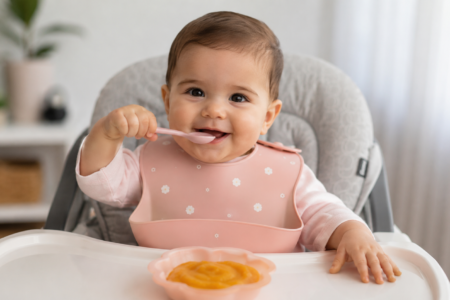
Starting solids? Learn gentle, safe tips for baby’s first purees, textures, nutrients, allergens, and responsive feeding.

Can a bedside bassinet create bad sleep habits? Learn why closeness supports safe sleep, bonding, and gentle transitions.

Modern child nutrition: challenges of the connected world and how families can build healthier habits with balance.

Healthy eating for kids: learn how to reduce ultra-processed foods with simple, realistic daily changes.

What should you do if your child is choking? Learn warning signs, first aid steps, and prevention tips for safer care.

In this post, we’ll explore the most common early pregnancy symptoms, explain why they happen, and offer supportive advice on what to do if you think you might be expecting.

Bathing your baby is more than just a cleansing routine; it’s a special bonding time filled with giggles and gentle splashes. As a parent, choosing the right soap and shampoo is crucial to ensure your baby’s delicate skin remains soft and healthy. Let’s explore the essentials of baby skincare to help you make informed choices.

Choosing the right size diaper for your baby is one of the fundamental aspects of parenting. A diaper that fits well ensures comfort, prevents leaks, and reduces instances of diaper rash — problems that no parent wants to deal with. With so many sizes and brands available, finding the perfect diaper for your baby can …

This could be a sign of colic, a condition that affects many infants and leaves parents feeling helpless and exhausted. Let’s delve into what colic is, how to recognize it, and what you can do to help your baby (and yourself) through this trying time.

Detecting a fever in a baby can be stressful for parents, but early recognition is key to providing timely care. A fever is generally defined as a temperature of 100.4°F (38°C) or higher when taken rectally, which is the most accurate method for infants. However, other methods like axillary (armpit) or temporal artery (forehead) thermometers can also be used, keeping in mind that they may be less precise.