
Can Infant Formula Cause Constipation? As a parent, you want the best for your baby—especially when it comes to their health and comfort. It can be worrying to notice your baby straining or not pooping for a few days, particularly if they are formula-fed. If you’re wondering whether infant formula might be the culprit behind constipation, you’re not alone.
In this post, we’ll explore the connection between formula and constipation, and offer practical advice to support your little one’s digestive comfort.


What Is Constipation in Infants?
Constipation in babies isn’t just about how often they poop—it’s more about the consistency and the difficulty in passing stool. While breastfed babies can go several days without a bowel movement, formula-fed babies tend to have more regular bowel habits.
Common signs of constipation include:
- Hard, dry, or pellet-like stools
- Straining or crying during bowel movements
- Less frequent bowel movements than usual
- Swollen or hard belly
- Fussiness or irritability
Can Formula Feeding Really Cause Constipation?
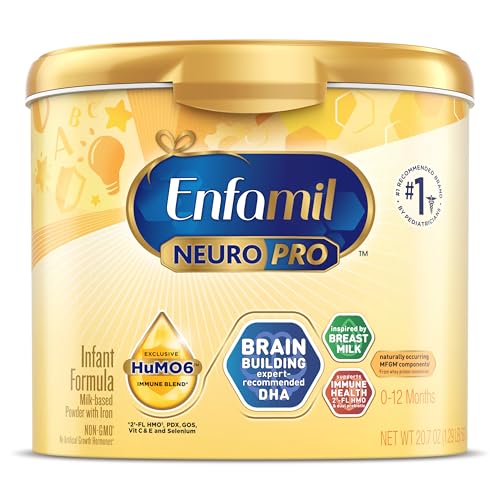
Yes, infant formula can contribute to constipation in some babies. Unlike breast milk, which is more easily digested and contains natural laxatives, formula is denser and takes more time to pass through your baby’s system.
Reasons why formula may cause constipation:
- Protein composition: Some formulas have proteins that are harder to digest.
- Iron content: Although important, iron-fortified formulas may slow digestion in sensitive babies.
- Hydration: Babies not getting enough fluids alongside formula might have firmer stools.
It’s important to remember that every baby is different. Some might tolerate a certain formula well, while others may experience digestive discomfort.
What Are the Best Formula Options for Constipated Babies?
If you suspect your baby’s formula is causing constipation, don’t worry—there are options.
Consider these formula types:
- Hydrolyzed formulas: These have broken-down proteins that are easier to digest.
- Low-lactose or lactose-free formulas: Helpful for babies with sensitivity to lactose.
- Formulas with added prebiotics or probiotics: These can promote healthy digestion.
- Special anti-constipation formulas: Some brands offer versions designed to support digestive comfort.
Always consult your pediatrician before switching formulas.

When Should I Be Concerned About My Baby’s Constipation?
Mild constipation is common, especially during transitions—like moving from breast milk to formula or introducing solids. But there are times when you should seek medical advice.
Warning signs to look for:
- Blood in the stool
- Persistent vomiting
- Severe abdominal swelling
- Refusal to eat
If any of these symptoms occur, call your pediatrician promptly.
How Can I Help My Baby With Formula-Related Constipation?
Thankfully, there are gentle ways to ease your baby’s discomfort at home.
Practical tips include:
- Tummy massages: Use clockwise circular motions to help stimulate digestion.
- Bicycle legs: Gently move your baby’s legs in a pedaling motion.
- Warm baths: These can relax your baby’s abdominal muscles.
- Extra hydration: Depending on your baby’s age, small amounts of water may help (consult your doctor).
Should I Switch Formulas if My Baby Is Constipated?
Possibly. If your pediatrician agrees, switching to a different formula might help relieve constipation. Sometimes, simply changing brands or choosing a gentler formula can make a big difference.
What to consider when switching:
- Give it time: Changes in digestion might take a few days.
- Track symptoms: Keep notes on stool frequency, consistency, and behavior.
- Introduce gradually: If switching formulas, mix the old and new during the transition.
Is Iron in Formula a Cause for Concern?
Iron is essential for your baby’s brain development and growth. Although some parents worry that iron-fortified formulas cause constipation, most babies tolerate iron well.
Facts about iron in formula:
- Most pediatricians recommend iron-fortified formulas.
- If iron is causing issues, your doctor might recommend a different brand with a lower iron concentration.
- Do not stop iron supplementation without medical guidance.
Could It Be Something Other Than the Formula?
Sometimes, constipation may be caused by factors unrelated to formula, such as:
- Immature digestive system
- Changes in routine
- Illness or dehydration
If constipation persists despite formula changes, further evaluation may be needed to rule out underlying conditions.
What’s the Takeaway?
While formula feeding can sometimes contribute to constipation, there are ways to manage it gently and effectively. Being attentive to your baby’s signs, choosing the right formula, and offering supportive care can make a big difference.
Always consult with your pediatrician before making changes to your baby’s diet. You’re not alone in navigating these early parenting challenges—and with time, your baby’s digestion will likely become more regular.
FAQs
Most formula-fed babies poop at least once daily, but some may go up to two days without a bowel movement.
Yes, switching to a gentler or hydrolyzed formula may help ease constipation in some babies.
Yes. Formula stools are usually firmer than those of breastfed babies but shouldn’t be dry or pellet-like.
In some cases, small amounts of water are helpful, but always check with your pediatrician first.
Yes, they can support gut health and may reduce constipation in some infants.
References
- American Academy of Pediatrics. (2021). Infant Nutrition
- Mayo Clinic. (2023). Baby Constipation: How to Help
- Nemours Children’s Health. (2023). Formula Feeding FAQs
- National Institutes of Health. (2022). Iron and Your Health
- HealthyChildren.org. (2023). Is Your Baby Constipated?
Most Read Posts

Postpartum Care

Baby Sleep

Breastfeeding

Infant Formula

Baby Bottles

Feeding Your Baby

Diapering & Bathing

Health & Development

Milestones & Development

Colic & Fussiness

Baby Gear & Safety

Traveling with Baby
Recent posts
- Liquid vs. Powder Baby Formula: Which Is the Better Value?
 Compare liquid vs. powder baby formula, including cost, convenience, safe preparation, storage, and which option may be best for your baby.
 - How Do I Know If I’m Ready to Care for a Newborn?
 Learn how to know if you’re ready to care for a newborn, with gentle guidance on feeding, safe sleep, warning signs, and emotional support.
 - First Baby: What If I Feel Lost in the First Few Days?
 Feeling lost with your first baby? Learn what is normal in the first newborn days, when to ask for help, and how confidence grows with time.
 - Is a Folding Stroller Durable Enough for Everyday Use?
 Is a folding stroller durable enough for everyday use? Learn what affects strength, safety, weight limits, and long-term performance.
 - Pregnant for the First Time: What Should You Do in the First Few Weeks?
 Pregnant for the first time? Learn what to do in the first few weeks, including prenatal care, nutrition, folic acid, and warning signs.
 - How to Support Your Partner During Labor and Delivery
 Learn how to support your partner during labor with practical tips for comfort, communication, pain relief, and emotional reassurance.
 - Can a Bedside Sleeper Help First-Time Moms?
 Can a bedside sleeper help first-time moms? Discover its benefits, safety tips, and how to choose the right option for your baby.

I’m Cris Coelho, and motherhood has transformed my life!
As a speech therapist and early childhood educator, I’ve always been passionate about child development. But it was becoming a mother that truly opened my eyes to the real challenges and joys of this journey.
Here at Materníssima, I share everything I’ve learned — blending professional knowledge, real-life experience, and a heartfelt touch.
You’re very welcome here! 💕