Choosing the right size diaper for your baby is one of the fundamental aspects of parenting. A diaper that fits well ensures comfort, prevents leaks, and reduces instances of diaper rash — problems that no parent wants to deal with.
With so many sizes and brands available, finding the perfect diaper for your baby can feel overwhelming. In this comprehensive blog, we’ll explore everything about diaper sizing, from weight guidelines to fit tips and more, so you can feel confident in your purchase decisions.
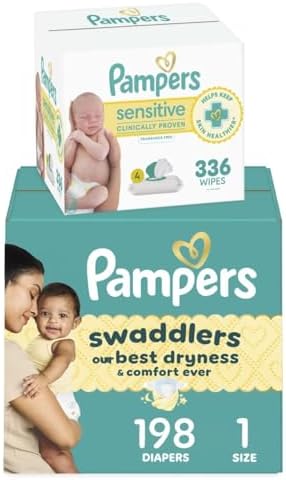
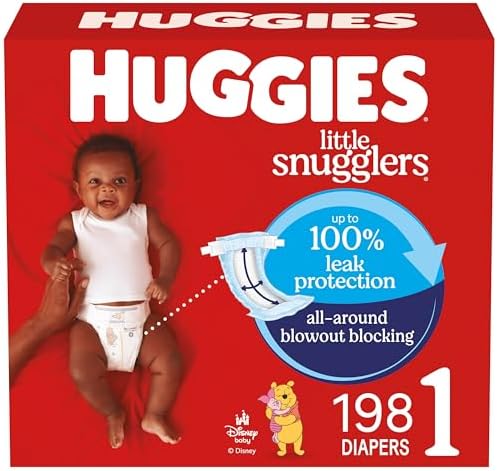

Why does diaper sizing matter?
Diaper sizing matters for several reasons. A well-fitted diaper provides better leak protection, keeps your baby comfortable, and avoids skin irritation. Conversely, diapers that are either too small or too large can cause discomfort or create gaps where leaks may occur. Additionally, incorrect sizing can lead to diaper rashes caused by friction or prolonged exposure to moisture. Understanding these basics underscores the importance of knowing how to choose the right size.
What are the general diaper size guidelines?
Diaper brands use weight-based charts to determine the ideal size for your baby. While there might be slight variations across brands, most follow similar guidelines. Below is a general chart for reference:
Newborn (Size N):
- Weight Range: Less than 10 lbs (4.5 kg)
- Details: Designed for infants in their first few weeks.
Size 1:
- Weight Range: 8–14 lbs (4–6.5 kg)
- Details: Perfect for infants who are about one month old or slightly larger newborns.
Size 2:
- Weight Range: 12–18 lbs (5–8 kg)
- Details: Ideal for babies between 2–6 months.
Size 3:
- Weight Range: 16–28 lbs (7–12.7 kg)
- Details: Suitable for mobile babies aged 6 months to 12 months.
Size 4:
- Weight Range: 22–37 lbs (10–16.8 kg)
- Details: Designed for toddlers aged 12 months and up.
Size 5:
- Weight Range: 27+ lbs (12.2+ kg)
- Details: For older toddlers.
Size 6:
- Weight Range: 35+ lbs (15.9+ kg)
- Details: Great for preschoolers or kids transitioning to potty training.
For a more tailored sizing guide based on weight, many diaper brands like Pampers provide detailed charts online.(Pampers)
How can you tell if your baby’s diaper fits correctly?
Signs of a Proper Fit:
- No Red Marks: The diaper should not leave indentations or red marks near the waist or thighs, indicating it isn’t too tight.
- Flexible Movement: Your baby should be able to move freely while wearing the diaper. It should hug their body, but not restrict motion.
- No Gaps: Ensure that there are no gaps around the thighs or waistband that could lead to leaks.
Signs It’s Time to Change Size:
- Frequent Leaks: If the diaper often leaks, it may be too small or large for your baby.
- Unable to Fasten Tabs: If the tabs can barely overlap or don’t stay in place, it’s time to size up.
- Redness on Your Baby’s Skin: Skin irritation caused by tightness may indicate it’s time for a larger diaper.
By paying attention to these indicators, you can figure out whether your baby’s diaper fits correctly or needs size adjustment.(BabyCenter)
What are the key factors influencing diaper size?
Diaper sizing isn’t a one-size-fits-all matter. Factors like your baby’s unique body shape, weight, nutritional growth, and age come into play.
Weight:
Weight remains the most important determinant for choosing the right diaper size. Brands generally provide weight ranges for each size, making it easy to decide which size to purchase.
Baby’s Age and Activity Level:
As your baby grows from a newborn to an active toddler, their diaper needs evolve. Active babies moving around may need a more secure fit, while newborns benefit from diapers designed with extra absorbency.
Brand-Specific Designs:
Different diaper brands may cater to certain body types by offering narrower or wider fits. Experimenting with various brands can help you find the one that suits your baby perfectly.(Parents)
How do diaper sizes impact newborn care?
Newborn care revolves around comfort, hygiene, and attentiveness, and diaper size is a crucial aspect of all three. Newborns often have delicate skin that is prone to irritation. Using the right-sized diaper minimizes redness caused by improper fitting and reduces the risk of leaks that can lead to diaper rash.
For very small or premature infants, brands like Pampers offer special preemie sizes designed to protect sensitive skin while keeping the baby dry. These diapers are worth considering for babies under 5 lbs.(Pampers)
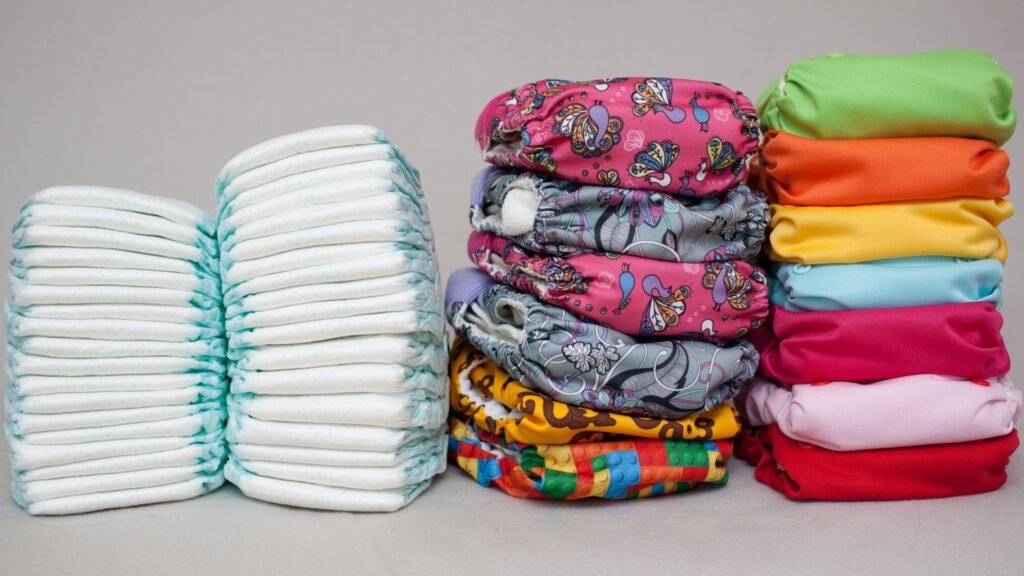
Are reusable diapers sized differently than disposable ones?
Yes, reusable diapers tend to have a “one-size-fits-most” approach. They come with adjustable snaps and elastic bands that allow parents to customize the fit for their baby. However, reusable diapers are categorized based on size ranges (small, medium, large) or adjustable configurations that suit babies from newborns to toddlers. Be sure to follow the brand’s sizing guide for reusable diapers to ensure an accurate fit.(HealthyBaby)
How many diapers will my baby need in each size during the first year?
On average, a baby goes through about 3,000 diapers in their first year. Here’s a breakdown of diaper usage by size:
Newborn (Size N):
- Typically lasts for 1–2 months.
- Estimate: 8–12 diapers per day.
Size 1:
- May cover months 2–4.
- Average: 8–10 diapers per day.
Size 2:
- Useful for months 4–7.
- Approximate: 6–8 diapers per day.
Size 3:
- Covers months 6–12.
- Requires: 5–7 diapers per day.
This sizing timeline can help you stock up efficiently and adjust purchases as your baby’s needs evolve.(Babylist)
Helpful FAQ Section
1. How do I know when to transition to the next diaper size?
The most common signs include frequent leaks, difficulty fastening the tabs, or red marks on your baby’s skin from tightness. Watch for these clues to guide you.
2. Is weight always a perfect indicator for diaper size?
Weight guidelines are general recommendations. For babies with unique body shapes, adjusting diaper brands or styles can sometimes yield better results.
3. Are bigger diapers more absorbent?
While larger diapers do generally hold more liquids, using an oversize diaper isn’t ideal because it may cause gaps and leaks.
4. What’s the difference between regular and premium diapers?
Premium diapers often feature additional qualities like hypoallergenic material, extra absorbency cores, or eco-friendly construction.
5. Can one diaper brand fit differently than others?
Yes, diaper brands vary in design, so a size 2 in one brand might fit slightly differently than a size 2 in another. Always check their size charts.
Conclusion
Choosing the right diaper size for your baby is a vital part of ensuring their comfort and hygiene. By focusing on weight guidelines, observing signs of a proper fit, and staying attentive to your baby’s unique needs, you can navigate diaper sizing confidently. Remember that your choice in brand, type, and size will directly affect your baby’s happiness and well-being.
Reliable resources like Pampers, BabyCenter, and Parents provide helpful standards and insights for making informed decisions. Leverage these guides and trust your parenting instincts — eventually, you’ll become well-versed in sizing for every stage of your baby’s growth.
References
Friends Diaper: Ways to avoid diaper leakage in adults
Pampers: Diaper leaks: Prevent leaks and blowouts by ensuring the right diaper fit
What to Expect: Diaper Size Chart for Babies
Rascals Baby: Size Guide
Rascals Baby Blog: How to prevent baby diaper blowouts
SwimRight Academy: What causes diaper leaks and how to prevent them
Parents: Diaper Sizes: How to Find the Right Fit for Newborns, Babies, and Toddlers
BabyOrgano: Diaper Size Chart: How to Choose the Right Fit for Your Baby
Most Read Posts

Postpartum Care

Baby Sleep

Breastfeeding

Infant Formula

Baby Bottles

Feeding Your Baby

Diapering & Bathing

Health & Development

Milestones & Development

Colic & Fussiness

Baby Gear & Safety

Traveling with Baby
Recent posts
- Liquid vs. Powder Baby Formula: Which Is the Better Value?
 Compare liquid vs. powder baby formula, including cost, convenience, safe preparation, storage, and which option may be best for your baby.
 - How Do I Know If I’m Ready to Care for a Newborn?
 Learn how to know if you’re ready to care for a newborn, with gentle guidance on feeding, safe sleep, warning signs, and emotional support.
 - First Baby: What If I Feel Lost in the First Few Days?
 Feeling lost with your first baby? Learn what is normal in the first newborn days, when to ask for help, and how confidence grows with time.
 - Is a Folding Stroller Durable Enough for Everyday Use?
 Is a folding stroller durable enough for everyday use? Learn what affects strength, safety, weight limits, and long-term performance.
 - Pregnant for the First Time: What Should You Do in the First Few Weeks?
 Pregnant for the first time? Learn what to do in the first few weeks, including prenatal care, nutrition, folic acid, and warning signs.
 - How to Support Your Partner During Labor and Delivery
 Learn how to support your partner during labor with practical tips for comfort, communication, pain relief, and emotional reassurance.
 - Can a Bedside Sleeper Help First-Time Moms?
 Can a bedside sleeper help first-time moms? Discover its benefits, safety tips, and how to choose the right option for your baby.

I’m Cris Coelho, and motherhood has transformed my life!
As a speech therapist and early childhood educator, I’ve always been passionate about child development. But it was becoming a mother that truly opened my eyes to the real challenges and joys of this journey.
Here at Materníssima, I share everything I’ve learned — blending professional knowledge, real-life experience, and a heartfelt touch.
You’re very welcome here! 💕