Finding out you’re pregnant for the first time can bring a mix of joy, excitement, anxiety, and countless questions. The most important early steps are confirming the pregnancy, beginning prenatal care, reviewing your medications and daily habits, taking recommended supplements, and knowing which warning signs require medical attention.
The first several weeks are part of the first trimester—a period of rapid embryonic development.
Simple precautions and early prenatal care can help support your health and your baby’s development.
How Do You Confirm a Pregnancy and Calculate How Far Along You Are?
A home pregnancy test detects human chorionic gonadotropin, or hCG, in your urine. This hormone is produced after the fertilized egg implants in the uterus.
When taken after a missed period and used according to the package instructions, home pregnancy tests are generally very accurate.
Pregnancy is dated from the first day of your last menstrual period, not from the day conception occurred. That means that by the time you miss your period, you are usually considered about four weeks pregnant.
When Should You Schedule Your First Prenatal Appointment?
Prenatal care should begin as soon as you suspect or confirm that you are pregnant. Your first appointment gives your healthcare provider an opportunity to review your overall health, identify possible risk factors, estimate your due date, and plan any necessary testing and follow-up care.
You may schedule an appointment with an OB-GYN, family medicine physician, certified nurse-midwife, or another qualified prenatal care provider.
Be prepared to discuss any medical conditions, previous surgeries, allergies, vaccinations, family medical history, and all medications, vitamins, herbal products, teas, and supplements you currently use.
Which Tests Might Be Ordered?
Your initial prenatal evaluation may include a blood pressure check, weight measurement, complete blood count, blood type and Rh factor testing, blood sugar testing, urine testing, and screening for certain infections and sexually transmitted infections.
The exact tests recommended will depend on your medical history, individual needs, and your healthcare provider’s guidelines.
An ultrasound may be used to confirm that the pregnancy is developing inside the uterus, estimate gestational age, and evaluate early development.
When an ultrasound is performed very early, some structures may not yet be visible. Your provider can help determine the best timing, especially when you are experiencing pain or bleeding.
Why Is Folic Acid So Important?
Folic acid is a form of vitamin B9 that supports cell division and the early development of your baby’s brain and spinal cord.
Taking folic acid before conception and during early pregnancy helps reduce the risk of neural tube defects, including spina bifida.
Your provider may also recommend iron, vitamin D, iodine, or other nutrients based on your health and diet. Avoid adding supplements on your own, since excessive amounts of certain vitamins and minerals may be harmful during pregnancy.
Which Medications Should Be Reviewed?
Tell your healthcare provider about every medication and product you use, including prescription medications, over-the-counter pain relievers, anti-inflammatory drugs, weight-loss products, herbal remedies, and dietary supplements.
A product being labeled “natural” does not automatically make it safe during pregnancy.
Do not start a medication without professional guidance, and do not suddenly stop a prescribed treatment on your own. Abruptly discontinuing medications for epilepsy, high blood pressure, diabetes, asthma, or mental health conditions may create serious risks.
Your provider will consider the benefits of treatment, any possible effects on the pregnancy, and whether safer alternatives are available.
Which Habits Should You Change Right Away?
Alcohol, cigarettes, vaping products, marijuana, and other recreational drugs should be avoided during pregnancy.
No amount of alcohol has been proven safe during pregnancy. Exposure to tobacco smoke and nicotine is also associated with complications affecting both the pregnant parent and the developing baby.
Caffeine can usually be consumed in moderation. The American College of Obstetricians and Gynecologists recommends keeping caffeine intake below 200 milligrams per day.
Remember to count caffeine from all sources, including coffee, tea, soda, energy drinks, chocolate, and certain medications.
Light to moderate physical activity is generally safe during an uncomplicated pregnancy. Walking and exercises you were already accustomed to may often be continued, but activities involving a high risk of falling, abdominal injury, or overheating require extra caution.
Those who were not physically active before pregnancy or who have a medical condition should speak with a healthcare provider before beginning a new exercise program.
What Should You Eat During the First Few Weeks?
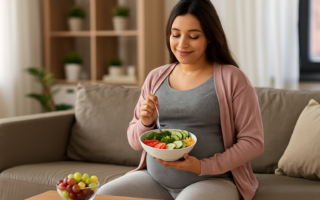
You do not need to “eat for two.” Instead, focus on a balanced and varied diet that includes fruits, vegetables, beans, whole grains, protein-rich foods, and sources of calcium.
Nausea and food aversions may affect what you can comfortably eat, especially during the first trimester. Smaller, more frequent meals may feel easier than three large meals.
To reduce the risk of foodborne illness, avoid raw or undercooked meat, seafood, and eggs. You should also avoid unpasteurized milk, cheese, juice, and foods from sources with questionable handling or storage practices.
Wash fruits and vegetables thoroughly under running water and follow local food-safety recommendations when preparing meals.
Choose fish that are lower in mercury and avoid large predatory fish known to contain higher mercury levels. The U.S. Food and Drug Administration provides regularly updated guidance on safer fish choices during pregnancy.
Drink water throughout the day, especially when you are experiencing vomiting, constipation, dizziness, or hot weather.
Which Symptoms Are Common in Early Pregnancy?
Fatigue, sleepiness, breast tenderness, nausea, food aversions, frequent urination, bloating, and mild cramping are all common during the first few weeks.
These symptoms are largely influenced by hormonal changes, including increases in progesterone, estrogen, and hCG. These hormones help support the pregnancy, but they can also affect digestion, circulation, mood, and energy levels.
Symptoms vary greatly from person to person. Having mild symptoms—or very few symptoms—does not automatically mean that something is wrong.
Small meals, bland foods, and sipping fluids slowly may help ease nausea. Persistent or severe vomiting should be evaluated by a healthcare provider.
Which Warning Signs Require Prompt Medical Care?
Seek urgent medical care if you experience:
- Heavy vaginal bleeding
- Severe abdominal or pelvic pain
- Pain that is mainly on one side
- Shoulder pain
- Fainting or feeling as though you may faint
- Severe dizziness
- Fever
- Shortness of breath
- A significant decline in your overall condition
You should also contact a healthcare provider if vomiting prevents you from keeping down fluids, you are urinating much less than usual, or you notice signs of dehydration.
One-sided pain, vaginal bleeding, shoulder pain, and fainting can be signs of an ectopic pregnancy. This occurs when a pregnancy develops outside the uterus and may lead to dangerous internal bleeding.
Light spotting does not always mean that a pregnancy loss is occurring. However, any bleeding should be reported to your provider, particularly when it is accompanied by pain, increasing blood flow, or clots.
How Can You Care for Your Emotional Health During Your First Pregnancy?
Fear, uncertainty, and mixed emotions are common during pregnancy. Experiencing these feelings does not mean that you are ungrateful or that you do not love your baby.
Share your questions and concerns with people you trust and with your prenatal care team.
Try not to compare your symptoms, body, growing belly, or emotions with another person’s pregnancy. Every pregnancy is different, and there is a wide range of normal experiences.
Intense anxiety, persistent sadness, frequent panic attacks, loss of interest in everyday activities, or difficulty completing daily tasks should be discussed with a qualified healthcare professional.
Emotional well-being is an important part of prenatal care.
What Should You Start Organizing Now?
Write down the first day of your last menstrual period, any symptoms you have noticed, the medications and supplements you use, and the questions you want to ask at your appointment.
Keep test results, insurance information, medical records, and important healthcare contact information in one easy-to-access place.
Ask your prenatal care provider to review your vaccination history. Do not receive, delay, or skip a vaccine during pregnancy without appropriate medical guidance.
Your priority right now is to care for your health, rely on trustworthy information, and build a relationship with a prenatal care provider who listens to your concerns and respects your questions.
What Is the Most Important First Step?
When you discover that you are pregnant for the first time, you do not need to have everything figured out immediately.
The most important step is to begin prenatal care and turn your concerns into practical actions: take the recommended supplements, review your medications, make safe food choices, avoid harmful substances, and pay attention to what your body is telling you.
Every pregnancy unfolds at its own pace. Seeking guidance early cannot remove every uncertainty, but it can help you feel safer, better informed, and more supported as you move through this meaningful stage of life.
References
American College of Obstetricians and Gynecologists — Prenatal Care:
https://www.acog.org/womens-health/faqs/prenatal-care
American College of Obstetricians and Gynecologists — Routine Tests During Pregnancy:
https://www.acog.org/womens-health/faqs/routine-tests-during-pregnancy
Centers for Disease Control and Prevention — About Folic Acid:
https://www.cdc.gov/folic-acid/about/index.html
NICHD/NIH — Pre-Pregnancy and Prenatal Care:
https://www.nichd.nih.gov/health/topics/factsheets/preconceptioncare
U.S. Food and Drug Administration — Medicine and Pregnancy:
https://www.fda.gov/consumers/womens-health-topics/medicine-and-pregnancy
U.S. Food and Drug Administration — Food Safety for Moms-to-Be:
https://www.fda.gov/food/people-risk-foodborne-illness/food-safety-moms-be
American College of Obstetricians and Gynecologists — Exercise During Pregnancy:
https://www.acog.org/womens-health/faqs/exercise-during-pregnancy
American College of Obstetricians and Gynecologists — Bleeding During Pregnancy:
https://www.acog.org/womens-health/faqs/bleeding-during-pregnancy
PubMed — Symptoms in Early Pregnancy:
https://pubmed.ncbi.nlm.nih.gov/36300886/
Most Read Posts

Postpartum Care

Baby Sleep

Breastfeeding

Infant Formula

Baby Bottles

Feeding Your Baby

Diapering & Bathing

Health & Development

Milestones & Development

Colic & Fussiness

Baby Gear & Safety

Traveling with Baby
Recent posts
- Liquid vs. Powder Baby Formula: Which Is the Better Value?
 Compare liquid vs. powder baby formula, including cost, convenience, safe preparation, storage, and which option may be best for your baby.
 - How Do I Know If I’m Ready to Care for a Newborn?
 Learn how to know if you’re ready to care for a newborn, with gentle guidance on feeding, safe sleep, warning signs, and emotional support.
 - First Baby: What If I Feel Lost in the First Few Days?
 Feeling lost with your first baby? Learn what is normal in the first newborn days, when to ask for help, and how confidence grows with time.
 - Is a Folding Stroller Durable Enough for Everyday Use?
 Is a folding stroller durable enough for everyday use? Learn what affects strength, safety, weight limits, and long-term performance.
 - Pregnant for the First Time: What Should You Do in the First Few Weeks?
 Pregnant for the first time? Learn what to do in the first few weeks, including prenatal care, nutrition, folic acid, and warning signs.
 - How to Support Your Partner During Labor and Delivery
 Learn how to support your partner during labor with practical tips for comfort, communication, pain relief, and emotional reassurance.
 - Can a Bedside Sleeper Help First-Time Moms?
 Can a bedside sleeper help first-time moms? Discover its benefits, safety tips, and how to choose the right option for your baby.
Click here to read the article in Portuguese

I’m Cris Coelho, and motherhood has transformed my life!
As a speech therapist and early childhood educator, I’ve always been passionate about child development. But it was becoming a mother that truly opened my eyes to the real challenges and joys of this journey.
Here at Materníssima, I share everything I’ve learned — blending professional knowledge, real-life experience, and a heartfelt touch.
You’re very welcome here! 💕