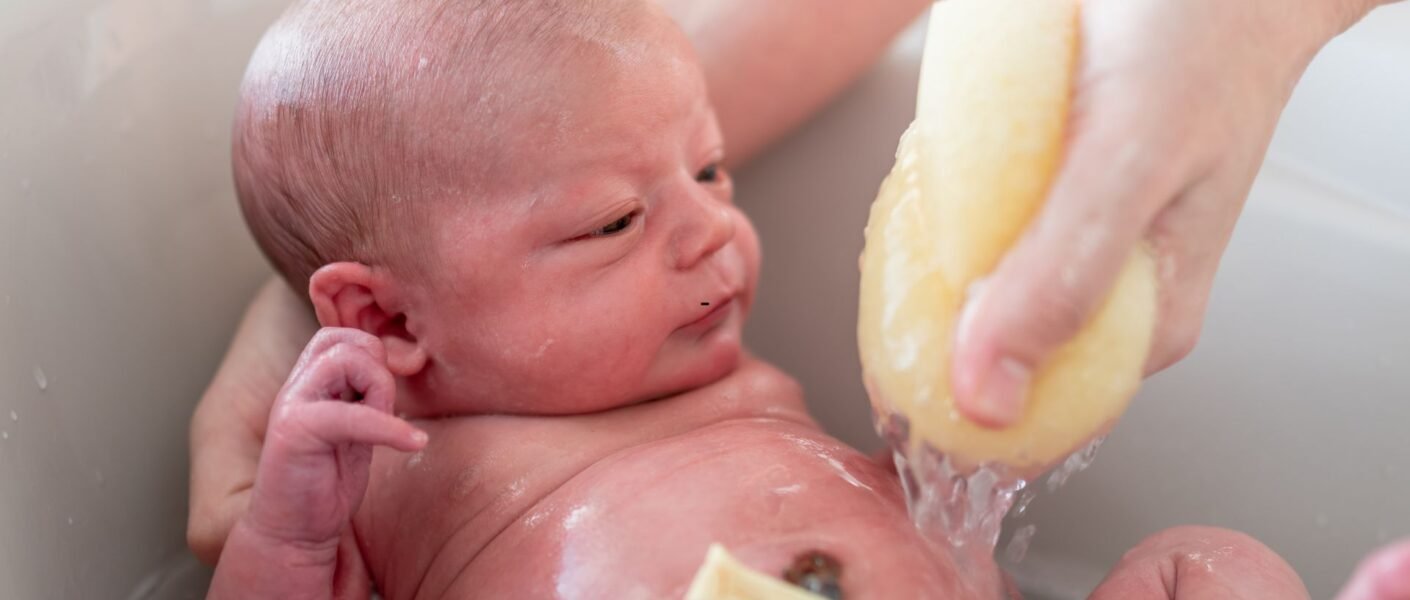
Caring for a newborn can be both a joyous and nerve-wracking experience, especially for first-time parents. Among the many new responsibilities, umbilical cord care often raises questions and concerns. The umbilical cord, which provided vital nutrients and oxygen to your baby during pregnancy, needs proper care after birth to prevent infection and ensure it heals correctly.
This comprehensive guide will walk you through the steps of properly cleaning a newborn’s umbilical cord, addressing common concerns and providing expert advice to help you navigate this important aspect of newborn care.
Understanding the Umbilical Cord
Before diving into the cleaning process, it’s essential to understand the purpose and anatomy of the umbilical cord. The umbilical cord connects the developing fetus to the placenta, allowing for the exchange of nutrients, oxygen, and waste products between mother and baby.
After birth, the cord is clamped and cut, leaving a small stump attached to the baby’s abdomen. This stump will eventually dry out and fall off, typically within 5 to 15 days. The remaining area will then heal, forming the belly button.
Why Proper Cord Care is Crucial
Proper umbilical cord care is crucial to prevent infection. The umbilical stump is essentially an open wound, making it susceptible to bacteria and other pathogens. An infection in the umbilical cord area, known as omphalitis, can be serious and potentially life-threatening if left untreated. Therefore, maintaining a clean and dry environment around the stump is paramount.
Common Misconceptions About Umbilical Cord Care
There are several common misconceptions about umbilical cord care that have been debunked by modern medical practices. One such misconception is the routine use of rubbing alcohol to clean the stump. While alcohol was previously recommended, current guidelines generally advise against it, as it can delay healing and may not be necessary for preventing infection. Another misconception is that the stump should be frequently manipulated or cleaned vigorously. In reality, gentle care and minimal interference are usually best.
Step-by-Step Guide to Cleaning the Umbilical Cord
Cleaning your newborn’s umbilical cord is a simple process that can be easily incorporated into your daily routine. Here’s a step-by-step guide:
1. Gather Your Supplies
Before you begin, gather the necessary supplies:
- Clean Water: Use lukewarm water for cleaning.
- Soft Washcloth or Sponge: A soft, clean washcloth or sponge is ideal for gently cleaning the area.
- Clean Towel: Have a clean towel ready to pat the area dry.
2. Wash Your Hands
Always wash your hands thoroughly with soap and water before touching the umbilical cord stump. This helps prevent the introduction of bacteria to the area.(Children’s Health Queensland)
3. Gently Clean the Stump
Using the damp washcloth or sponge, gently clean around the base of the umbilical cord stump. Pay attention to the area where the stump meets the skin. You can gently lift the stump to clean underneath, but avoid pulling or tugging on it. The goal is to remove any debris or dried blood that may accumulate in the area.
4. Pat the Area Dry
After cleaning, use a clean, soft towel to gently pat the area dry. Moisture can promote bacterial growth, so it’s important to keep the area as dry as possible.
5. Let it Air Dry
Allow the area to air dry completely for a few minutes before dressing your baby. Exposing the stump to air helps it dry out faster.(Mayo Clinic)
6. Diapering Considerations
To prevent irritation and promote healing, fold your baby’s diaper below the umbilical cord stump. Some diapers are designed with a cutout or notch to accommodate the cord, allowing it to be exposed to air. This helps keep the area clean and dry.(Family Connects Greenville)


Do’s and Don’ts of Umbilical Cord Care
To ensure proper healing and prevent infection, keep these do’s and don’ts in mind:
Do’s
- Keep the stump clean and dry: This is the most important aspect of umbilical cord care.(Northwest Family Clinics)
- Wash your hands before touching the stump: This prevents the transfer of bacteria.
- Allow the stump to air dry: Exposing the stump to air helps it dry out and heal faster.(Mayo Clinic)
- Fold the diaper below the stump: This prevents irritation and keeps the area dry.(Family Connects Greenville)
- Clean up any stool or urine that gets on the cord: Gently clean the area with water and pat it dry.
- Stick with sponge baths until the cord falls off: Sponge baths help keep the stump dry.(Mayo Clinic)
Don’ts
- Don’t pull or tug on the stump: Allow the stump to fall off on its own.(Mayo Clinic)
- Don’t use rubbing alcohol unless specifically advised by your pediatrician: Current guidelines generally advise against routine alcohol use.
- Don’t apply lotions, creams, or powders to the stump: These products can trap moisture and promote bacterial growth.
- Don’t cover the stump with bandages or dressings: The stump needs air circulation to dry out properly.
- Don’t submerge the stump in water until it falls off: Stick to sponge baths to keep the area dry.(AAP)
Recognizing Signs of Infection
It’s important to monitor the umbilical cord stump for signs of infection. Contact your pediatrician immediately if you notice any of the following:
- Redness or swelling around the base of the stump: This could indicate inflammation and infection.
- Pus or discharge from the stump: Any discharge, especially if it’s yellow or green, is a sign of infection.
- Foul odor: An unusual or unpleasant odor emanating from the stump is a cause for concern.
- Bleeding: While some minor bleeding is normal, excessive bleeding should be evaluated by a doctor.(Northwestern Medicine)
- Fever: A fever in a newborn is always a serious sign and should be addressed immediately.
- Irritability or fussiness: If your baby seems unusually irritable or uncomfortable, it could be a sign of infection.
- Tenderness: If the area around the stump is tender to the touch, it could indicate inflammation.
What to Expect When the Cord Falls Off
The umbilical cord stump typically falls off within 5 to 15 days after birth. It’s normal for the stump to gradually dry out, shrink, and darken in color before it detaches. You may notice a small amount of bleeding when the stump falls off, which is usually nothing to worry about. Simply clean the area gently with water and pat it dry.
Caring for the Belly Button After the Cord Falls Off
After the umbilical cord falls off, a small indentation or bump will remain, forming the belly button. Continue to keep the area clean and dry until it is fully healed. You can gently clean the belly button with water during bath time and pat it dry afterwards. Avoid using lotions or creams in the area until it is completely healed.
When to Seek Professional Advice
While most umbilical cord issues can be managed at home with proper care, there are certain situations that warrant professional medical advice. Contact your pediatrician if you have any concerns about your baby’s umbilical cord, or if you notice any signs of infection, excessive bleeding, or delayed healing. Early intervention can help prevent complications and ensure your baby’s health and well-being.
Choosing the Right Products for Newborn Care
When it comes to newborn care, choosing the right products is essential. Opt for gentle, hypoallergenic, and fragrance-free products to minimize the risk of irritation and allergies. Consult with your pediatrician for recommendations on the best products for your baby’s skin.
Bathing Products
When bathing your newborn, use a mild, tear-free baby wash. Avoid using harsh soaps or shampoos that can dry out their delicate skin. Look for products that are specifically formulated for newborns and free of dyes, parabens, and phthalates.
Diapers
Choose diapers that are soft, absorbent, and designed to protect your baby’s sensitive skin. Look for diapers with a cutout or notch to accommodate the umbilical cord stump. Change diapers frequently to keep the area clean and dry.
Clothing
Dress your baby in soft, breathable clothing made from natural fibers like cotton. Avoid tight-fitting clothing that can irritate the umbilical cord stump. Opt for loose-fitting onesies or gowns that allow for easy access to the area for cleaning and diaper changes.
Conclusion
Caring for your newborn’s umbilical cord is a simple yet important task that can help prevent infection and promote healing. By following the steps outlined in this guide and adhering to the do’s and don’ts of umbilical cord care, you can ensure that your baby’s umbilical cord heals properly and without complications.
Remember to monitor the area for signs of infection and contact your pediatrician if you have any concerns. With proper care and attention, the umbilical cord stump will fall off naturally, leaving behind a healthy and happy baby.
Most Read Posts

Postpartum Care

Baby Sleep

Breastfeeding

Infant Formula

Baby Bottles

Feeding Your Baby

Diapering & Bathing

Health & Development

Milestones & Development

Colic & Fussiness

Baby Gear & Safety

Traveling with Baby
Recent posts
- Liquid vs. Powder Baby Formula: Which Is the Better Value?
 Compare liquid vs. powder baby formula, including cost, convenience, safe preparation, storage, and which option may be best for your baby.
 - How Do I Know If I’m Ready to Care for a Newborn?
 Learn how to know if you’re ready to care for a newborn, with gentle guidance on feeding, safe sleep, warning signs, and emotional support.
 - First Baby: What If I Feel Lost in the First Few Days?
 Feeling lost with your first baby? Learn what is normal in the first newborn days, when to ask for help, and how confidence grows with time.
 - Is a Folding Stroller Durable Enough for Everyday Use?
 Is a folding stroller durable enough for everyday use? Learn what affects strength, safety, weight limits, and long-term performance.
 - Pregnant for the First Time: What Should You Do in the First Few Weeks?
 Pregnant for the first time? Learn what to do in the first few weeks, including prenatal care, nutrition, folic acid, and warning signs.
 - How to Support Your Partner During Labor and Delivery
 Learn how to support your partner during labor with practical tips for comfort, communication, pain relief, and emotional reassurance.
 - Can a Bedside Sleeper Help First-Time Moms?
 Can a bedside sleeper help first-time moms? Discover its benefits, safety tips, and how to choose the right option for your baby.

I’m Cris Coelho, and motherhood has transformed my life!
As a speech therapist and early childhood educator, I’ve always been passionate about child development. But it was becoming a mother that truly opened my eyes to the real challenges and joys of this journey.
Here at Materníssima, I share everything I’ve learned — blending professional knowledge, real-life experience, and a heartfelt touch.
You’re very welcome here! 💕