
My Baby Has a Diaper Allergy: What Should I Do? When you notice redness on your baby’s skin, it is completely natural to wonder, “Could my baby be allergic to diapers?” That worry makes sense. A baby’s skin is thin, delicate, and still developing its natural protective barrier.
But not every rash in the diaper area is a true allergy. In many cases, what parents call a “diaper allergy” is actually diaper rash, also known as diaper dermatitis. This is a type of skin irritation caused by a combination of moisture, friction, contact with urine and stool, heat, and sensitive skin.
What Can Look Like a Diaper Allergy?
Diaper dermatitis is an irritation that appears in areas covered by the diaper, such as the bottom, genitals, groin, and inner thighs. The skin may look red, warm, tender, shiny, or slightly flaky.
The most common cause is irritant contact dermatitis. This happens when the skin stays in contact with moisture, urine, stool, and rubbing for too long. Over time, this weakens the skin barrier and can lead to redness, stinging, and discomfort.
Is a Diaper Allergy the Same as Diaper Rash?
Not exactly. “Diaper rash” is a general term many parents use for any irritation in the diaper area. A true allergy usually involves the immune system reacting to a specific ingredient or substance.
That trigger may be found in the diaper itself, baby wipes, diaper creams, soaps, fragrances, preservatives, dyes, or laundry products used for cloth diapers. In children, fragrances, preservatives, and certain topical products can sometimes contribute to allergic contact dermatitis.
How Can I Tell If It Is Irritation, Allergy, or Yeast?
Irritant diaper rash usually affects the areas with the most direct diaper contact, such as the bottom and outer genital area. Often, the skin folds are less affected.
A yeast rash, commonly caused by Candida, tends to show up more in the folds of the groin. It may appear as bright red, shiny patches with defined edges and small red bumps nearby, often called satellite lesions.
What Signs May Suggest a True Diaper Allergy?
A true allergy may be suspected when the rash gets worse shortly after switching diaper brands, using a new baby wipe, applying a different diaper cream, or introducing a fragranced product.
You may also notice itching, more widespread redness, ongoing peeling, or irritation that does not improve even with frequent diaper changes. Still, the best way to confirm the cause is to have your baby evaluated by a pediatrician or pediatric dermatologist.
What Should I Do First?
The first step is to reduce anything that may be irritating your baby’s skin. Change diapers more often, especially after bowel movements, and clean the area with warm water and soft cotton or a gentle cloth.
Avoid rubbing. Gently pat the skin clean and dry, then allow the area to air out for a few minutes before putting on a fresh diaper. Keeping the skin clean and dry is one of the most important steps in treating and preventing diaper rash.
Should I Stop Using Baby Wipes?
If your baby’s skin is very irritated, it may help to pause baby wipes temporarily. Even wipes labeled “gentle” or “sensitive” may contain fragrances, preservatives, or ingredients that can sting when the skin barrier is already irritated.
During a flare-up, warm water and soft cotton are often the gentlest option. Once the skin improves, watch carefully to see whether wipes trigger redness again. If they do, that product may be part of the problem.
What Diaper Cream Can Help?
Barrier creams, especially those containing zinc oxide or petroleum jelly, can help create a protective layer between your baby’s skin and moisture. They do not treat every possible cause, but they can reduce contact with urine and stool.
The American Academy of Dermatology recommends using a zinc oxide barrier cream, especially when redness remains between diaper changes.
Can I Use a Steroid Cream on My Own?
It is not recommended to use steroid creams on a baby without medical guidance. Even mild steroid creams should be used carefully in infants because baby skin can absorb medications more easily.
In some cases, a doctor may recommend a low-strength hydrocortisone cream for a short time, an antifungal cream if yeast is present, or an antibiotic if there is a bacterial infection. The right treatment depends on the diagnosis.
When Should I Call the Pediatrician?
Call your pediatrician if the rash does not improve within about 2 to 3 days of basic care, gets worse quickly, or includes open sores, blisters, drainage, bleeding, fever, significant pain, or a bad smell.
It is also important to seek medical advice if the redness keeps coming back, covers a large area, or appears along with rashes on other parts of the body. The American Academy of Pediatrics notes that diaper rashes that do not respond to usual care may involve yeast or another underlying condition.
Can Diarrhea Make Diaper Rash Worse?
Yes. Diarrhea can make diaper rash worse because the skin is exposed more often to stool, digestive enzymes, and increased moisture. During these times, diaper changes need to happen even more frequently.
A generous layer of barrier cream can help protect the skin, but it should be applied to clean, dry skin.
How Can I Prevent Future Flare-Ups?
Prevention starts with a simple routine: change diapers often, avoid fragranced products, do not fasten diapers too tightly, and allow short diaper-free periods when possible.
If you suspect an allergy, try simplifying your baby’s routine. Use fewer products, watch for reactions, and avoid changing several things at once. This makes it easier to identify a possible trigger.
Are Cloth Diapers Better for Diaper Allergies?
It depends. Some families notice improvement with cloth diapers, while others see more irritation if moisture builds up or detergent residue remains in the fabric. The most important thing is that the diaper stays dry, clean, and free from irritating products.
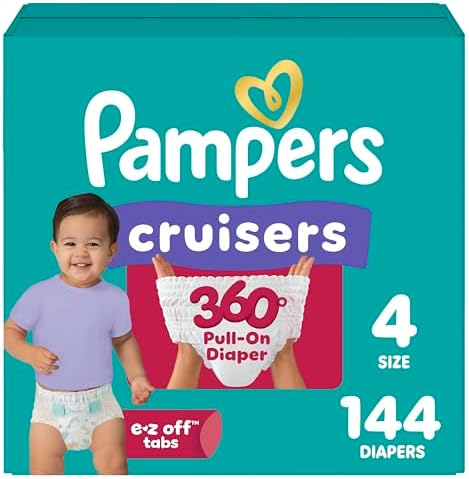
With disposable diapers, you may need to try fragrance-free options, diapers without added lotions, or brands with better absorbency while watching how your baby’s skin responds.
What Should I Avoid on Irritated Baby Skin?
Avoid baby powder, perfumes, homemade remedies, adult ointments, essential oils, and “natural” products unless your pediatrician approves them. Natural does not always mean safe for a baby’s sensitive skin.
It is also best not to scrub the skin or try to remove every bit of barrier cream at each diaper change. Too much wiping can make irritation worse. Cleaning should be gentle and respectful of your baby’s delicate skin.
Final Thoughts: What Should Parents Watch For?
If your first thought was, “My baby has a diaper allergy—what should I do?” take a deep breath. Many diaper-area rashes are not true allergies, but common irritant rashes that can usually be managed with gentle care.
Start with simple steps: keep the skin clean, dry, protected, and exposed to fewer irritating products. But if the rash lingers, worsens, or comes with signs of infection, your pediatrician should take a look.
Your baby’s skin is telling you something. With patience, gentle care, and the right guidance, you can help relieve discomfort and reduce the chances of future flare-ups.
References
MedlinePlus / NIH — Diaper rash:
https://medlineplus.gov/ency/article/000964.htm
NCBI Bookshelf / StatPearls — Diaper Dermatitis:
https://www.ncbi.nlm.nih.gov/books/NBK559067/
American Academy of Dermatology — How to treat diaper rash:
https://www.aad.org/public/everyday-care/itchy-skin/rash/treat-diaper-rash
HealthyChildren / American Academy of Pediatrics — Common Diaper Rashes & Treatments:
https://www.healthychildren.org/English/ages-stages/baby/diapers-clothing/Pages/Diaper-Rash.aspx
PubMed — Differential Diagnosis of Diaper Dermatitis:
https://pubmed.ncbi.nlm.nih.gov/28420251/
Check out the best-selling diapers


Most Read Posts

Postpartum Care

Baby Sleep

Breastfeeding

Infant Formula

Baby Bottles

Feeding Your Baby

Diapering & Bathing

Health & Development

Milestones & Development

Colic & Fussiness

Baby Gear & Safety

Traveling with Baby
Recent posts
- Liquid vs. Powder Baby Formula: Which Is the Better Value?
 Compare liquid vs. powder baby formula, including cost, convenience, safe preparation, storage, and which option may be best for your baby.
 - How Do I Know If I’m Ready to Care for a Newborn?
 Learn how to know if you’re ready to care for a newborn, with gentle guidance on feeding, safe sleep, warning signs, and emotional support.
 - First Baby: What If I Feel Lost in the First Few Days?
 Feeling lost with your first baby? Learn what is normal in the first newborn days, when to ask for help, and how confidence grows with time.
 - Is a Folding Stroller Durable Enough for Everyday Use?
 Is a folding stroller durable enough for everyday use? Learn what affects strength, safety, weight limits, and long-term performance.
 - Pregnant for the First Time: What Should You Do in the First Few Weeks?
 Pregnant for the first time? Learn what to do in the first few weeks, including prenatal care, nutrition, folic acid, and warning signs.
 - How to Support Your Partner During Labor and Delivery
 Learn how to support your partner during labor with practical tips for comfort, communication, pain relief, and emotional reassurance.
 - Can a Bedside Sleeper Help First-Time Moms?
 Can a bedside sleeper help first-time moms? Discover its benefits, safety tips, and how to choose the right option for your baby.
Click here to read the article in Portuguese

I’m Cris Coelho, and motherhood has transformed my life!
As a speech therapist and early childhood educator, I’ve always been passionate about child development. But it was becoming a mother that truly opened my eyes to the real challenges and joys of this journey.
Here at Materníssima, I share everything I’ve learned — blending professional knowledge, real-life experience, and a heartfelt touch.
You’re very welcome here! 💕