
Can prolonged infant formula use be harmful? This is a very common question for parents who want to do what is best for their child but feel unsure about when to continue, reduce, or stop using formula.
The most balanced answer is: not always, and not in every situation. However, for healthy toddlers after 12 months of age, continuing infant formula is usually no longer necessary and may get in the way of building a more varied, age-appropriate eating routine.
Before making any changes, it is important to consider your child’s age, growth, medical history, prematurity, allergies, picky eating, weight gain, and your pediatrician’s guidance.
What Is Infant Formula and What Is Its Purpose?
Infant formula is a specially designed food used to partially or fully replace breast milk when breastfeeding is not possible, not sufficient, or not chosen by the family.
It contains protein, carbohydrates, fats, vitamins, and minerals in amounts intended to support a baby’s nutritional needs, especially during the first year of life. In the United States, the FDA recognizes infant formula as an important source of nutrition for many babies.
That does not mean formula should be used indefinitely. As babies grow, their nutritional needs change. They begin eating solid foods, developing chewing skills, learning self-feeding, and building food preferences.
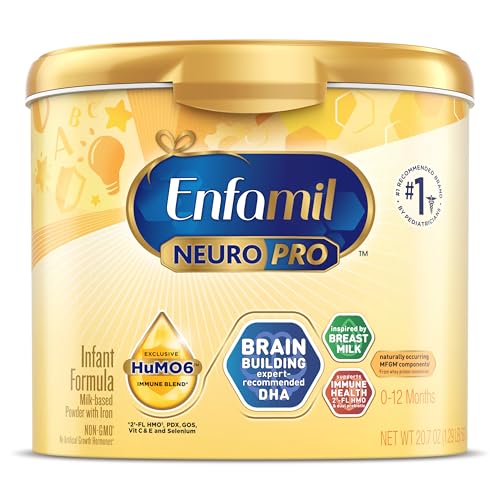
Best-Selling Infant Formulas


How Long Is Infant Formula Usually Recommended?
For babies who are not breastfed, infant formula is commonly used as the main milk source during the first 12 months of life.
After age 1, many international and U.S. health guidelines suggest that healthy toddlers can transition to plain pasteurized whole cow’s milk, along with water and a balanced family diet. The CDC explains that at 12 months, children may move from infant formula to pasteurized whole milk or unsweetened fortified alternatives, depending on individual needs.
This transition does not have to happen overnight. For many families, it works best gradually, with fewer formula feedings and more opportunities for the child to enjoy a variety of foods.
Why May Prolonged Formula Use Not Be Ideal?
The main concern with prolonged formula use is not always the formula itself, but what it may replace.
When a toddler continues drinking large amounts of formula after 12 months, they may feel less hungry for important foods such as meat, eggs, beans, fruits, vegetables, grains, and natural sources of iron, zinc, and fiber.
Can Formula Affect Food Acceptance?
Yes, it can happen.
The period between 6 and 24 months is very important for introducing solid foods, developing taste preferences, exploring textures, and building healthy eating habits.
The World Health Organization recommends that from 6 months of age, children receive safe, nutritious, age-appropriate complementary foods that gradually become more varied.
When formula takes up too much space in a toddler’s daily routine, the child may have fewer opportunities to chew, explore new textures, and accept foods with different flavors.
Is There a Risk of Too Many Calories?
There can be, especially when formula is offered in large amounts several times a day alongside an already adequate diet.
After age 1, toddlers need to learn how to respond to hunger and fullness through meals, snacks, and simple drinks like water and milk when appropriate. Too many calorie-containing drinks may increase energy intake without offering the same developmental and nutritional experience as a complete meal.
This deserves even more attention with toddler formulas or “growing-up milks.” The American Academy of Pediatrics states that these products are generally unnecessary for healthy toddlers and may be nutritionally incomplete or have an inappropriate composition.
Is Prolonged Bottle Use Also a Concern?
Yes. In many cases, the concern is not only the formula but also the continued use of a bottle.
Frequent bottle use, especially at night, may increase the risk of tooth decay, make it harder to transition to a cup, and keep the child in a more baby-like feeding pattern.
When a child falls asleep while drinking from a bottle, liquids that contain carbohydrates can remain in contact with the teeth for longer periods. This creates an environment where oral bacteria can produce acids that weaken tooth enamel.
Can Infant Formula After Age 1 Cause Anemia?
Iron-fortified infant formula usually contains iron, so it is not the same as regular cow’s milk in that sense. The bigger concern appears when a toddler drinks too much milk or milk-based beverages and eats too few iron-rich foods.
Iron is essential for hemoglobin production, oxygen transport, brain development, and immune function. Low iron intake in childhood may contribute to iron deficiency anemia and developmental concerns.
Studies and reviews available through PubMed show that excessive or inappropriate cow’s milk intake in babies and toddlers may be linked to poorer iron status, especially when milk replaces iron-rich foods.
When Might Formula Still Be Necessary?
There are situations where continued formula use may be recommended by a pediatrician or pediatric dietitian.
This may include prematurity, poor weight gain, gastrointestinal conditions, cow’s milk protein allergy, significant food selectivity, genetic syndromes, metabolic disorders, or specific nutritional needs.
In these cases, formula may still have a role, but it should be used with professional guidance and regular follow-up.
Does Every Child Need to Stop Formula Exactly at 12 Months?
No. The 12-month mark is a general guideline, not a strict rule for every child.
A healthy toddler who eats well, grows appropriately, and accepts a good variety of foods usually does not need to continue infant formula. On the other hand, a child with feeding difficulties, dietary restrictions, or growth concerns may need a more individualized plan.
The key is not to continue formula only out of fear, habit, or worry that food “isn’t enough,” without looking at the child’s overall nutrition and development.
How Can Parents Make the Transition Safely?
The transition should be gradual, calm, and respectful.
A helpful approach is to slowly reduce the amount of formula while prioritizing meals with iron-rich foods, protein, healthy fats, vitamins, and fiber.
It is also helpful to offer liquids in a cup, keep predictable meal and snack times, and avoid using formula as the automatic response to every cry, tired moment, or sign of fussiness.
Your child may resist the change at first. That does not necessarily mean they are hungry or not getting enough. Often, they are simply learning a new feeding routine.
What Signs Deserve Professional Guidance?
Talk with your child’s pediatrician if your child refuses almost all foods, loses weight, does not gain weight as expected, has frequent vomiting, ongoing diarrhea, severe constipation, repeated choking or gagging, or delays in oral-motor development.
It is also important to seek help if formula has become the child’s main source of nutrition after age 1 and they accept very little real food.
In these situations, the pediatrician can evaluate growth, lab work if needed, food intake, sleep routine, development, and whether supplementation is truly necessary.
So, Can Prolonged Infant Formula Use Be Harmful?
For most healthy toddlers, prolonged infant formula use after 12 months is usually unnecessary and may become a concern when it replaces meals, reduces food variety, or keeps bottle use going for too long.
At the same time, parents should not feel guilty if formula was necessary. Formula can be a safe and important tool when used at the right time and for the right reason.
The main point is understanding when formula stops being nutritional support and starts taking the place of the foods a growing toddler needs.
Conclusion: The Goal Is Not Just “Stopping Formula,” But Helping Your Child Grow Into Eating
The question “Can prolonged infant formula use be harmful?” needs a thoughtful answer. Formula can be safe and helpful during the first year of life, but it should not prevent a child from moving toward a more complete, varied, developmentally appropriate diet.
After 12 months, the focus should gradually shift toward real food, water, age-appropriate milk when recommended, and a calm, supportive feeding routine.
Caring for your child’s nutrition is not just about replacing one drink with another. It is about helping your child build a healthy relationship with food, their body, and their natural hunger and fullness cues.
FAQs About Prolonged Infant Formula Use
Can my toddler still drink formula after 12 months?
Some toddlers may continue formula for medical or nutritional reasons, but most healthy children do not need infant formula after 12 months. It is best to discuss your child’s needs with a pediatrician.
Is toddler formula better than whole milk?
For most healthy toddlers, toddler formula is usually not necessary. Plain pasteurized whole milk, water, and a balanced diet are often enough after age 1, unless your child has specific medical or nutritional needs.
How do I know if my child is ready to stop formula?
Your child may be ready if they are growing well, eating a variety of foods, drinking from a cup, and getting enough nutrition from meals and snacks. Your pediatrician can help confirm this.
Should I stop formula suddenly or gradually?
A gradual transition is usually easier for both the child and the family. You can slowly reduce formula feedings while increasing balanced meals, snacks, and cup use.
What if my toddler refuses food after reducing formula?
Some resistance is normal. Keep offering meals calmly and consistently. If your toddler refuses most foods, loses weight, or seems unable to eat enough, seek guidance from a pediatrician or pediatric dietitian.
References
American Academy of Pediatrics — Most Toddlers Don’t Need Toddler Formula
https://www.healthychildren.org/English/news/Pages/why-most-toddlers-dont-need-toddler-formula.aspx
American Academy of Pediatrics — Older Infant-Young Child “Formulas”
https://publications.aap.org/pediatrics/article/152/5/e2023064050/194469/Older-Infant-Young-Child-Formulas
CDC — How Much and How Often to Feed Infant Formula
https://www.cdc.gov/infant-toddler-nutrition/formula-feeding/how-much-and-how-often.html
CDC — Foods and Drinks to Encourage
https://www.cdc.gov/infant-toddler-nutrition/foods-and-drinks/foods-and-drinks-to-encourage.html
WHO — Guideline for Complementary Feeding of Infants and Young Children 6–23 Months
https://www.who.int/publications/i/item/9789240081864
NCBI Bookshelf / NIH — WHO Guideline for Complementary Feeding
https://www.ncbi.nlm.nih.gov/books/NBK596430/
PubMed — Consumption of Cow’s Milk as a Cause of Iron Deficiency in Infants and Toddlers
https://pubmed.ncbi.nlm.nih.gov/22043881/
FDA — Infant Formula Homepage
https://www.fda.gov/food/resources-you-food/infant-formula-homepage/
Click here to read the article in Portuguese

I’m Cris Coelho, and motherhood has transformed my life!
As a speech therapist and early childhood educator, I’ve always been passionate about child development. But it was becoming a mother that truly opened my eyes to the real challenges and joys of this journey.
Here at Materníssima, I share everything I’ve learned — blending professional knowledge, real-life experience, and a heartfelt touch.
You’re very welcome here! 💕